
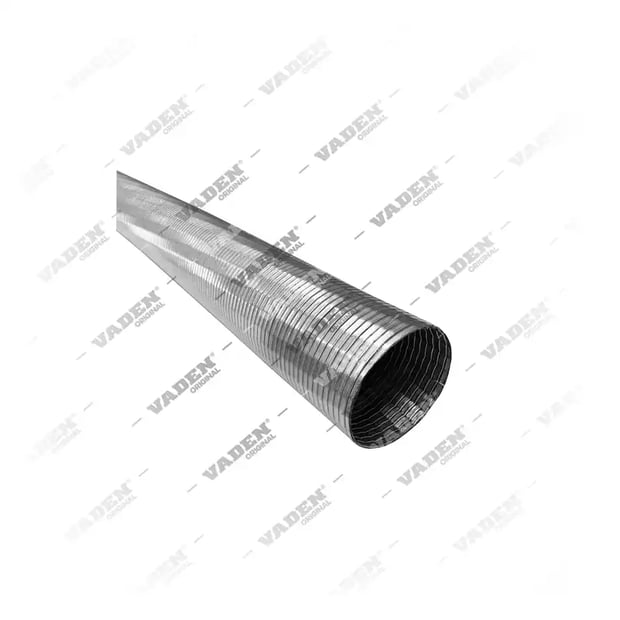
358.10.0004-SS Flexible Exhaust Pipe Ø 64 mm
358.10.0004-SS
Summary
This high-strength stainless exhaust flexible pipe features a Ø 64 mm diameter and a 1000 mm length. Designed for heavy-duty thermal and vibration resistance in exhaust systems.
| EAN Code | 8683457075412 |
|---|
Ready to Order
Description
What does an exhaust flexible pipe do?
This exhaust flexible pipe serves as a critical component in the exhaust system, designed to absorb engine vibrations and compensate for thermal expansion during operation. By providing flexibility, it prevents stress on the rigid sections of the exhaust line, ensuring long-term system integrity.Technical specifications and material
Constructed with high-strength materials, this component features a Ø 64 mm diameter and a total length of 1000 mm. The stainless construction is selected to withstand extreme temperature fluctuations and corrosive environments common in heavy commercial vehicle exhaust systems.Installation and maintenance guidance
When inspecting or replacing this component, technicians should verify that the diameter matches the existing pipework and check for any signs of thermal fatigue or cracks in the bellows. Proper alignment during installation is essential to prevent premature wear from excessive mechanical stress.Troubleshooting and replacement
For optimal performance, ensure all connections are secure and that the pipe's movement is not restricted by surrounding chassis components.Technical Specifications
| Stainless | OK |
|---|---|
| Diameter | Ø 64 mm |
| Length | 1000 mm |
FAQ
What is the function of an exhaust flexible pipe?
It absorbs engine vibrations and accommodates thermal expansion within the exhaust system to prevent cracks in rigid pipes.
What are the dimensions of this component?
This specific part features a Ø 64 mm diameter and a length of 1000 mm.
What material is used for this flexible pipe?
The component is constructed from high-strength stainless steel to resist heat and corrosion.
How can I identify if a replacement is needed?
Look for visible cracks, excessive soot leaking from joints, or increased engine vibration caused by failed internal bellows.