
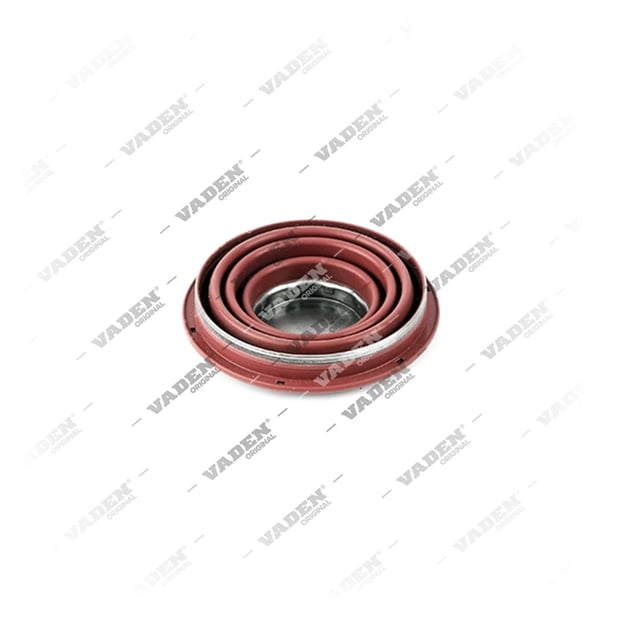
3502025 Caliper Mechanism Plunger for Air Brakes
3502025
Summary
This brake caliper mechanism plunger is a critical component within the air disc brake system. Designed for heavy commercial vehicle applications, it ensures precise movement and pressure application within the braking mechanism.
| EAN Code | 8683457028210 |
|---|
Ready to Order
Description
What does a brake caliper plunger do?
The brake caliper mechanism plunger serves as a vital component within the air disc brake system of heavy commercial vehicles. It facilitates the precise movement required to apply braking force, ensuring reliable performance under demanding operational conditions.Function within the braking system
This component is engineered to withstand high-pressure environments within the air brake assembly. Its primary function is to translate pneumatic force into mechanical movement, maintaining the structural integrity of the braking action during deceleration.Maintenance and inspection guidance
For optimal performance, technicians should inspect the plunger during routine brake system maintenance. Ensuring that the plunger moves freely without friction or resistance is essential for preventing uneven brake wear or reduced stopping power in heavy-duty applications.System performance and selection
When replacing this part, it is important to verify compatibility with existing caliper hardware to ensure correct fitment and sealing within the pneumatic circuit.Related Products
Used In
FAQ
What is the function of a brake caliper mechanism plunger?
The plunger acts as a critical moving part that converts pneumatic pressure into mechanical force to engage the braking system in air disc brakes.
Which vehicle class uses this component?
This part is specifically designed for heavy commercial vehicles utilizing air disc brake systems.
How can I identify a faulty caliper plunger?
Signs of wear include uneven brake pad wear, vibrations during braking, or air leaks originating from the caliper mechanism.
What should be checked during installation?
Technicians should ensure that all seals are correctly seated and that the plunger moves smoothly within its housing without resistance.