
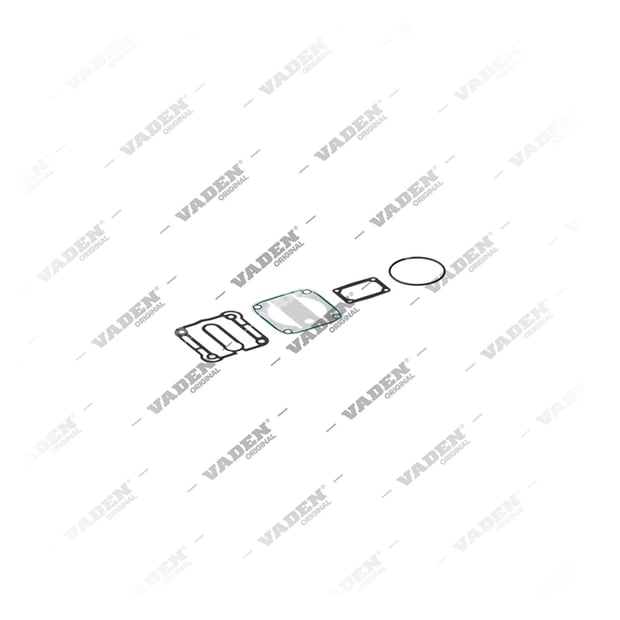
3500 030 150 Air Brake Compressor Repair Kit
3500 030 150
Summary
This compressor repair kit is designed for heavy commercial vehicle air brake systems, specifically compatible with International trucks. It provides the necessary components to maintain optimal pneumatic pressure and system reliability.
| EAN Code | 8699031092089 |
|---|
Ready to Order
Description
What does a compressor repair kit do?
A compressor repair kit provides the essential components required to restore the efficiency of an air brake compressor. These kits are vital for maintaining the integrity of the pneumatic system in heavy commercial vehicles, ensuring consistent air pressure delivery for braking functions.Compatible vehicles and systems
This specific repair kit is compatible with International trucks and is designed to work effectively with Knorr-Bremse systems. It serves as a reliable solution for workshop technicians performing routine maintenance or component overhauls on heavy-duty braking units.Installation and maintenance
When performing installation, technicians should ensure all surfaces are clean and check all connection points for wear. Regular inspection of these components helps prevent air leaks and maintains the service life of the compressor assembly.Maintenance guidance
Consult your authorized distributor.Related Products
Used In
Compatible Vehicles
| Brand | Model | Model Type | Engine |
|---|---|---|---|
| INTERNATIONAL | |||
| KNORR-BREMSE |
FAQ
What is the purpose of this compressor repair kit?
It contains the necessary components to overhaul or repair an air brake compressor, ensuring the pneumatic system maintains required pressure levels.
Is this kit compatible with Knorr-Bremse systems?
Yes, this repair kit is designed to be compatible with Knorr-Bremse systems used in heavy commercial applications.
Which vehicle types use this component?
This kit is specifically designed for International heavy commercial vehicles to maintain their air braking performance.
How can I know if my compressor needs a repair kit?
Technicians should look for signs of pressure loss, air leaks, or irregular cycles in the pneumatic system during routine inspections.