
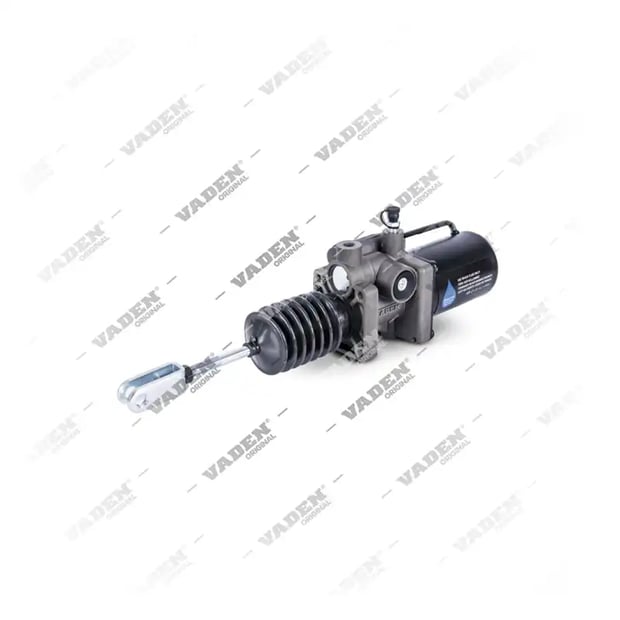
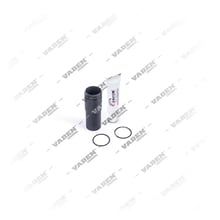
306.01.0094 Compatible WABCO Clutch Servo
306.01.0094
Summary
This heavy-duty clutch servo is engineered to function within WABCO systems, ensuring reliable engagement for heavy commercial vehicle clutches. It is designed with high-strength components to withstand demanding operational environments.
| EAN Code | 8683457008861 |
|---|
Ready to Order
Description
What does a clutch servo do?
This clutch servo plays a critical role in the pneumatic actuation of the clutch mechanism, ensuring smooth and precise engagement. It converts pneumatic pressure into mechanical force to facilitate efficient gear changes in heavy commercial vehicles.Vehicle and system compatibility
This component is designed to be compatible with WABCO systems. It serves as a reliable replacement for existing units in heavy commercial vehicle applications, maintaining system pressure and responsiveness.Installation and maintenance
Technicians should inspect the connections and seals during installation to ensure proper pneumatic integrity. Regular maintenance of the air system helps prevent premature wear of the internal seals and components.Troubleshooting guidance
If the clutch engagement feels inconsistent or slow, it may indicate a loss of pressure within the servo or the associated pneumatic lines. Inspecting the actuator for leaks is a standard troubleshooting step.Other OEMs
WABCO
- APGA/1065/P
Related Products
Repair Kits
Compatible Vehicles
| Brand | Model | Model Type | Engine |
|---|---|---|---|
| WABCO |
FAQ
What is the function of a clutch servo?
The clutch servo uses pneumatic pressure to assist in engaging and disengaging the clutch, reducing the effort required for gear transitions in heavy commercial vehicles.
Is this part compatible with WABCO systems?
Yes, this component is designed to be compatible with WABCO systems used in heavy commercial vehicle clutch assemblies.
How can I identify a failing clutch servo?
Common symptoms include difficulty shifting gears, inconsistent clutch engagement, or visible air leaks from the pneumatic connections.
What should I check during installation?
Technicians should ensure all pneumatic lines are secure and that there are no leaks in the seals to maintain proper operating pressure.