
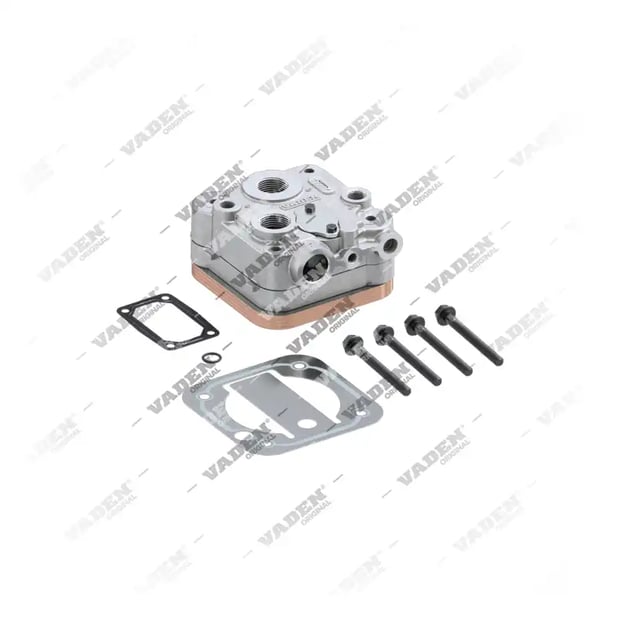
29 12 10 Compressor Cylinder Head — Volkswagen Truck
29 12 10
Summary
This compressor cylinder head is designed for heavy commercial vehicle air systems, specifically compatible with Volkswagen Truck and International vehicles. Built with high-strength components to ensure long-term durability in demanding service environments.
| EAN Code | 8683457071476 |
|---|
Ready to Order
Description
What does a compressor cylinder head do?
This compressor cylinder head serves as a critical component within the pneumatic braking system, managing the compression chamber's integrity. It is engineered to withstand high-pressure cycles and thermal stress, ensuring stable air production for the vehicle's braking system.Vehicle and system compatibility
This component is compatible with Volkswagen Truck and International vehicles. It is specifically designed to work within Knorr-Bremse systems to maintain optimal pressure regulation.Installation and maintenance
When replacing this part, technicians should inspect the valve plate and gasket surfaces to ensure a perfect seal. Regular inspection of the cylinder head mounting area is recommended to prevent air leaks under heavy load.System reliability
Maintaining the integrity of the cylinder head is essential for preventing air system pressure drops during operation.Related Products
Used In
Compatible Vehicles
| Brand | Model | Model Type | Engine |
|---|---|---|---|
| INTERNATIONAL | |||
| KNORR-BREMSE | |||
| VOLKSWAGEN TRUCK |
FAQ
What is the function of a compressor cylinder head?
The cylinder head seals the compression chamber and houses valves to facilitate the compression of air within the pneumatic system.
Which vehicles are compatible with this part?
This component is designed for use in Volkswagen Truck and International heavy commercial vehicles.
Can this part be used in Knorr-Bremse systems?
Yes, this cylinder head is compatible with Knorr-Bremse systems used in heavy-duty applications.
How can I identify if a replacement is needed?
Technicians should look for signs of external air leaks or significant pressure drops during the compression cycle.