
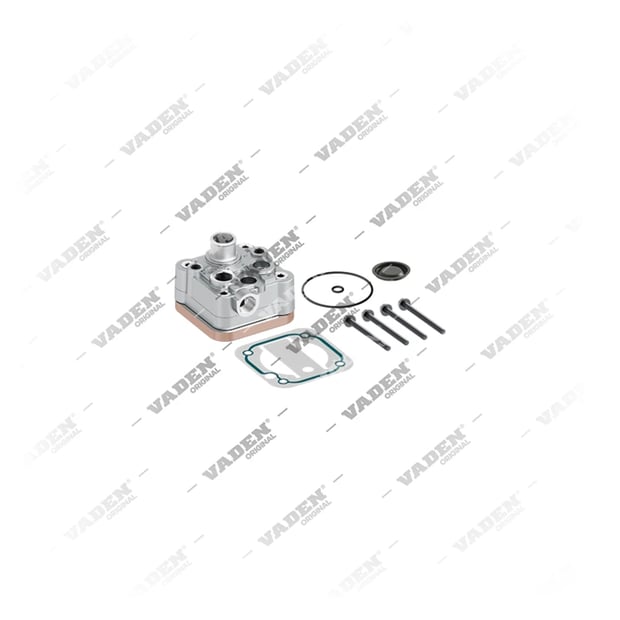
26 09 50 Compatible Compressor Cylinder Head
26 09 50
Summary
This heavy-duty compressor cylinder head is designed for air brake compressor systems. It is compatible with International vehicles and Bendix systems, ensuring reliable air pressure regulation for heavy commercial vehicles.
| EAN Code | 8699031070278 |
|---|
Ready to Order
Description
What does a compressor cylinder head do?
This compressor cylinder head serves as a critical component within the air brake compressor assembly, managing the compression process and maintaining structural integrity under high pressure. It is manufactured using high-strength components to withstand the rigorous thermal and mechanical stresses found in heavy commercial vehicle braking systems.Vehicle and system compatibility
The part is compatible with International vehicles and is specifically designed to work with Bendix systems. It ensures proper seal and pressure containment within the pneumatic circuit of the compressor.Installation and maintenance guidance
To ensure correct fitment, technicians should verify the compressor architecture and port configurations before installation. Proper maintenance of the cylinder head area helps prevent air leaks and maintains consistent system pressure. Consult your authorized distributor for further information.Related Products
Used In
Compatible Vehicles
| Brand | Model | Model Type | Engine |
|---|---|---|---|
| BENDIX | |||
| INTERNATIONAL |
FAQ
What is the function of a compressor cylinder head?
The cylinder head seals the top of the compressor chamber, facilitating the compression of air required for the vehicle's braking system.
Which vehicles are compatible with this part?
This component is designed for use in International heavy commercial vehicles and is compatible with Bendix systems.
How can I ensure I am choosing the correct cylinder head?
Selection should be based on the specific compressor architecture and existing reference numbers to ensure correct port and chamber alignment.
What are the signs of a failing cylinder head?
Technicians may observe unusual air leaks, loss of compression pressure, or visible damage to the sealing surfaces during inspection.