
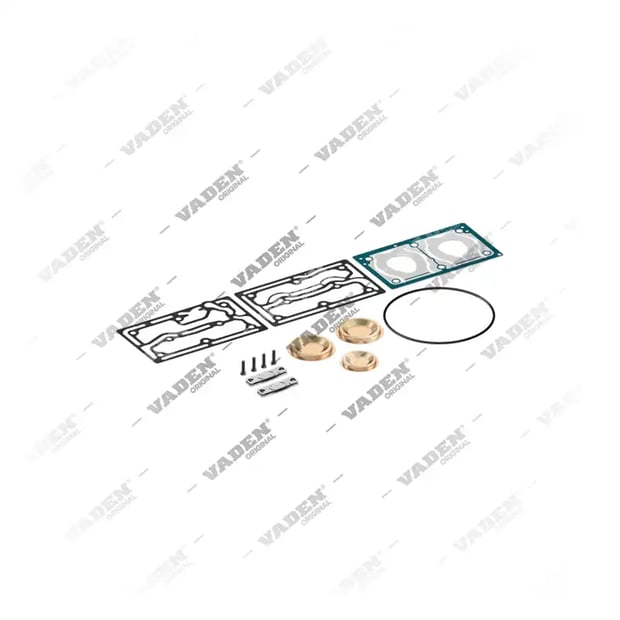
1700 160 100 Renault Trucks Compatible Compressor Repair Kit
1700 160 100
Summary
This heavy-duty grade compressor repair kit is designed for Renault Trucks. It ensures the restoration of compression and sealing functions within the air brake system, maintaining stable air pressure output for heavy commercial vehicles.
| EAN Code | 8699031067995 |
|---|
Ready to Order
Description
What does a compressor repair kit do?
A compressor repair kit is a replacement component set used to renew a heavy commercial vehicle's air brake compressor without replacing the entire unit. By restoring the compressor's compression and sealing function, it keeps air pressure output stable, which keeps the brake system operating safely.Vehicle and system compatibility
This specific kit is compatible with Renault Trucks. It serves as a vital solution for maintaining the pneumatic integrity of the braking system in heavy commercial vehicles.Installation and maintenance
Technicians should inspect seals, rings, and gaskets during installation to ensure optimal performance. Proper maintenance of the compressor components prevents pressure drops and ensures consistent air supply to the braking system.Troubleshooting and selection
Consult your authorized distributor to ensure correct fitment for your specific compressor model.Related Products
Used In
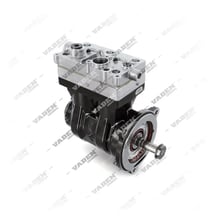
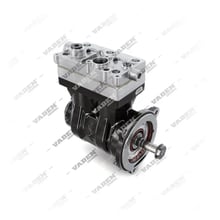
Compatible Vehicles
| Brand | Model | Model Type | Engine |
|---|---|---|---|
| RENAULT TRUCKS | |||
| VOLVO | |||
| WABCO |
FAQ
What is the function of this repair kit?
The kit is designed to renew the compression and sealing functions of an air brake compressor, ensuring stable air pressure output for the vehicle.
Which vehicles is this kit compatible with?
This kit is specifically designed for use in Renault Trucks to maintain their pneumatic braking systems.
Can this kit restore air pressure stability?
Yes, by replacing worn internal components, the kit helps restore the compressor's ability to maintain consistent air pressure.
When should I consider using a repair kit?
A repair kit should be considered when signs of pressure loss or sealing failure are detected during routine pneumatic system inspections.