
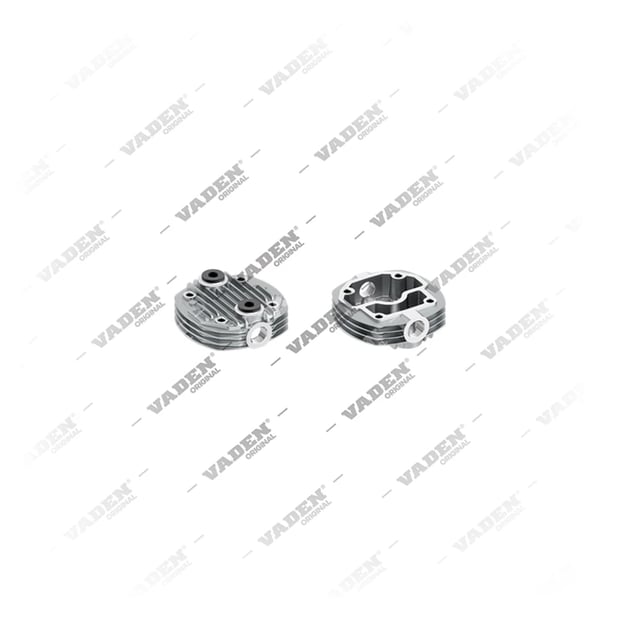
15 11 10 Iveco Compressor Cylinder Head
15 11 10
Summary
This compressor cylinder head is designed for heavy commercial vehicle air brake systems. It ensures reliable performance in Iveco trucks and is compatible with Knorr-Bremse systems using high-strength components for long-term durability.
| EAN Code | 8699031058924 |
|---|
Ready to Order
Description
What does a compressor cylinder head do?
This compressor cylinder head serves as a critical component within the air brake compressor assembly, managing the combustion or compression chamber environment. It is engineered to withstand high-pressure cycles and extreme thermal stress common in heavy commercial vehicle applications.Vehicle and system compatibility
This specific unit is designed for use in Iveco trucks and is compatible with Knorr-Bremse systems. It provides a precise seal and structural integrity to maintain consistent air pressure delivery within the pneumatic braking circuit.Installation and maintenance
When performing maintenance or repairs, technicians should inspect the cylinder head for any signs of surface wear or cracks. Ensuring proper torque during installation is vital to prevent air leaks and maintain optimal system pressure.System reliability
For fleet managers and workshop technicians, choosing high-strength components helps prevent unexpected downtime and ensures the longevity of the air brake compressor system.Related Products
Used In
Compatible Vehicles
| Brand | Model | Model Type | Engine |
|---|---|---|---|
| IVECO | |||
| KNORR-BREMSE |
FAQ
What is the function of a compressor cylinder head?
The cylinder head forms the top of the compression chamber, sealing the cylinder to allow for efficient air compression within the braking system.
Which vehicles are compatible with this part?
This component is specifically designed for Iveco heavy commercial vehicles and works seamlessly with Knorr-Bremse systems.
What should I check during installation?
Technicians should verify that all mounting surfaces are clean and that all bolts are tightened to the required torque to prevent pressure loss.
How can I identify if a cylinder head needs replacement?
Symptoms such as excessive air leakage, loss of pressure build-up, or visible cracks on the head surface indicate a need for replacement.