
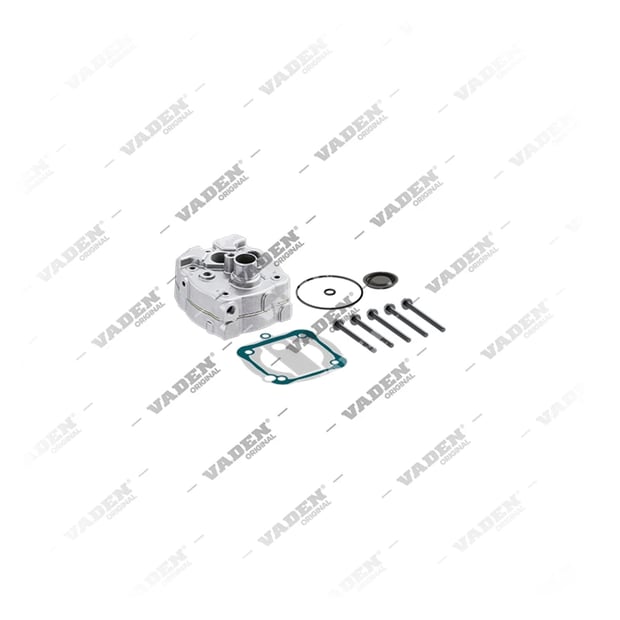
12 26 50 MAN Compatible Compressor Cylinder Head
12 26 50
Summary
This compressor cylinder head is engineered for heavy commercial vehicle applications, specifically designed for MAN trucks. It ensures reliable air pressure management within the braking system and is compatible with Knorr-Bremse systems. Built with high-strength components to withstand demanding service conditions.
| EAN Code | 8683457052192 |
|---|
Ready to Order
Description
What does a compressor cylinder head do?
This compressor cylinder head is a critical component within the air brake compressor assembly, responsible for sealing the combustion chamber and managing air flow. It is manufactured using high-strength components to ensure durability under the intense thermal and pressure fluctuations typical of heavy commercial vehicle braking systems.Vehicle and system compatibility
This specific part is designed for MAN trucks and is compatible with Knorr-Bremse systems. Selecting the correct cylinder head ensures proper compression ratios and prevents air leaks within the pneumatic circuit.Maintenance and installation
When performing maintenance, technicians should inspect the head seating surface and port integrity to prevent pressure drops. Ensuring a proper seal during installation is vital for maintaining the performance of the entire air brake system.System performance
Check the compatibility list.Related Products
Used In
Compatible Vehicles
| Brand | Model | Model Type | Engine |
|---|---|---|---|
| KNORR-BREMSE | |||
| MAN |
FAQ
What is the function of a compressor cylinder head?
The cylinder head seals the compressor chambers and facilitates the compression process required to generate air pressure for the braking system.
Is this part compatible with Knorr-Bremse systems?
Yes, this cylinder head is designed to be compatible with Knorr-Bremse systems used in heavy commercial vehicles.
Which vehicle makes does this component serve?
This component is specifically designed for MAN trucks and related heavy commercial vehicle applications.
How can I identify if a replacement is needed?
Technicians should look for signs of external air leaks, internal pressure loss, or visible cracks on the head surface during routine inspections.