
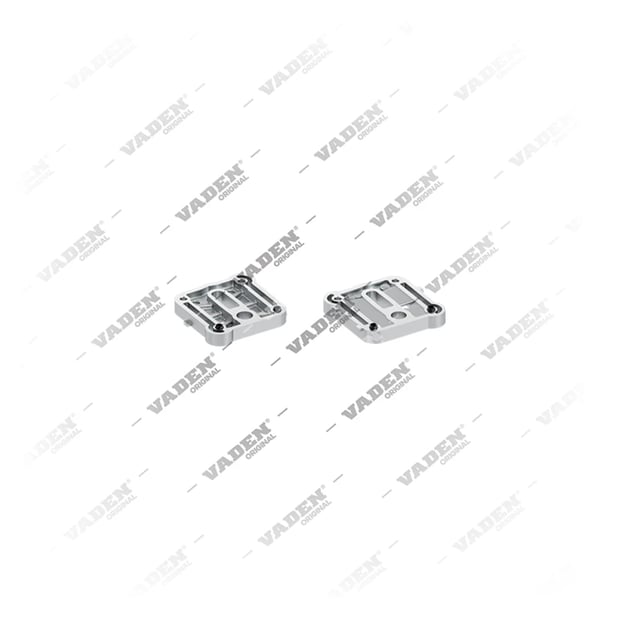
12 01 72 MAN Compatible Compressor Cooling Plate
12 01 72
Summary
This high-strength compressor cooling plate is designed for heavy commercial vehicle air brake systems. It is compatible with MAN trucks and Knorr-Bremse systems, providing reliable thermal management for compressor components.
| EAN Code | 8699031028637 |
|---|
Ready to Order
Description
What does a compressor cooling plate do?
This compressor cooling plate plays a critical role in maintaining the thermal stability of the air brake compressor during operation. By facilitating efficient heat dissipation, it helps prevent overheating in high-pressure environments, ensuring the longevity of the entire pneumatic system.Vehicle and system compatibility
The component is specifically engineered to be compatible with MAN trucks and Knorr-Bremse systems. It serves as a vital part of the repair process when restoring compressor performance in heavy commercial vehicle applications.Installation and maintenance
During installation, technicians should ensure all surfaces are clean and that the plate is seated correctly to prevent pressure leaks. Maintaining proper cooling channels is essential for preventing premature wear of the internal compressor components.Selection guidance
Consult your authorized distributor.Related Products
Used In
Compatible Vehicles
| Brand | Model | Model Type | Engine |
|---|---|---|---|
| KNORR-BREMSE | |||
| MAN |
FAQ
What is the function of a compressor cooling plate?
The cooling plate manages heat within the air brake compressor, helping to maintain optimal operating temperatures and preventing system overheating.
Which vehicles is this part compatible with?
This specific cooling plate is designed for MAN trucks and is compatible with Knorr-Bremse systems used in heavy commercial vehicles.
How can I know if my compressor needs a new cooling plate?
Signs of failure include increased operating temperatures or air pressure inconsistencies due to thermal stress within the compressor assembly.
What should I check during installation?
Technicians should verify that all mating surfaces are clean and that the plate is properly aligned to ensure a secure, leak-free seal.