
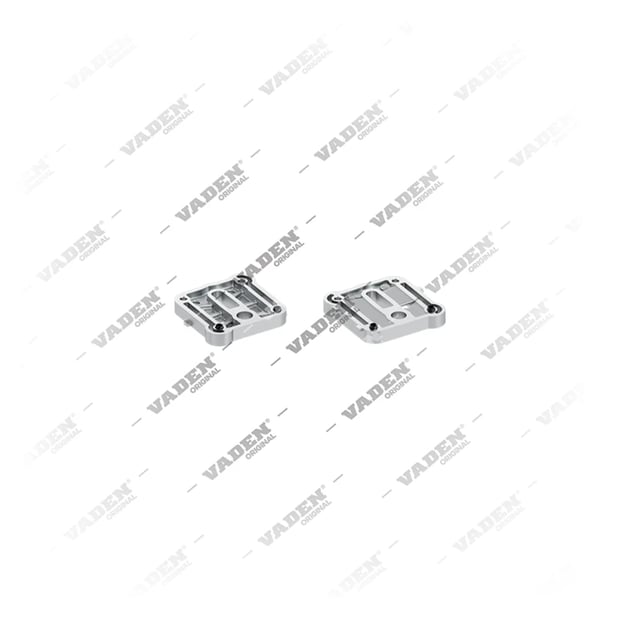
12 01 32 Compressor Cooling Plate Replacement
12 01 32
Summary
This compressor cooling plate is designed for heavy commercial vehicle air brake systems, ensuring efficient thermal regulation during high-speed operation. It is engineered from high-strength components to maintain system integrity under continuous duty.
| EAN Code | 8699031028460 |
|---|
Ready to Order
Description
What does a compressor cooling plate do?
A compressor cooling plate serves as a critical thermal management component within the air brake compressor assembly. By regulating temperature through either internal coolant channels or external fins, it prevents overheating during the compression cycle. This ensures the longevity of the entire pneumatic system in heavy commercial vehicles.Available plate configurations
These plates are available in various configurations to suit specific engine requirements. Options include water-cooled intermediate plates for long-haul continuous operation, air-cooled finned plates for medium-duty applications, and specialized designs for single or twin-cylinder layouts. Selecting the correct configuration is vital for maintaining optimal compression efficiency.Installation and maintenance
When replacing a cooling plate, technicians should inspect all associated gaskets and O-rings to ensure a perfect seal. Proper installation prevents coolant or air leaks that could compromise the braking system's performance. Always verify that the plate matches the specific compressor housing and cooling method used in the vehicle.Preventative maintenance guidance
Regular inspection of the cooling interface helps prevent premature wear of the compressor pistons and valves. For optimal performance, ensure that coolant flow or airflow remains unobstructed by debris or sludge.FAQ
What is the purpose of a compressor cooling plate?
It manages heat during the air compression process to prevent overheating, which is critical for maintaining consistent pneumatic pressure in heavy commercial vehicles.
What are the different types of cooling plates available?
Depending on the system, they can be water-cooled with internal channels, air-cooled with surface fins, or designed specifically for single or twin-cylinder layouts.
How do I know if a cooling plate needs replacement?
Signs of failure include overheating of the compressor unit, loss of air pressure efficiency, or visible leaks around the mounting interface.
Should I replace gaskets at the same time as the cooling plate?
Yes, it is highly recommended to use new gaskets and O-rings during installation to ensure a proper seal and prevent pressure loss.