
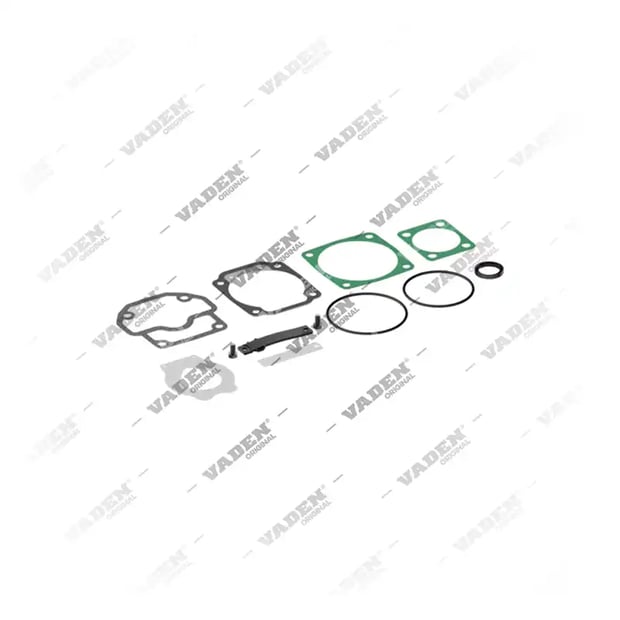
1100 170 500 Compatible Compressor Repair Kit — Mercedes-Benz
1100 170 500
Summary
High-strength compressor repair kit designed for heavy commercial vehicle brake systems. This component set is compatible with Mercedes-Benz and Knorr-Bremse systems, ensuring reliable pneumatic pressure for professional workshop maintenance.
| EAN Code | 8699031007458 |
|---|
Ready to Order
Description
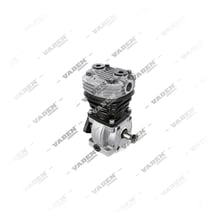
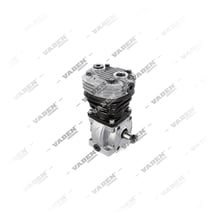
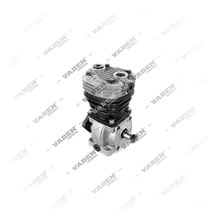
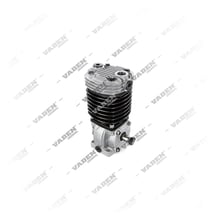
This compressor repair kit provides the essential components required to overhaul pneumatic air brake compressors in heavy commercial vehicles. By replacing internal wear parts, technicians can restore optimal air pressure delivery and ensure the long-term reliability of the braking system.
This kit is specifically designed for use in Mercedes-Benz vehicles and is also compatible with Knorr-Bremse and Nato systems. It serves as a precise solution for maintaining the integrity of the compressor assembly without requiring a complete unit replacement.
During installation, workshop technicians should inspect all surrounding pneumatic lines and valve assemblies to ensure consistent pressure. Regular maintenance using high-strength components helps prevent air leaks and maintains the operational safety of the heavy vehicle's braking circuit.
Consult your authorized distributor.
This kit is specifically designed for use in Mercedes-Benz vehicles and is also compatible with Knorr-Bremse and Nato systems. It serves as a precise solution for maintaining the integrity of the compressor assembly without requiring a complete unit replacement.
During installation, workshop technicians should inspect all surrounding pneumatic lines and valve assemblies to ensure consistent pressure. Regular maintenance using high-strength components helps prevent air leaks and maintains the operational safety of the heavy vehicle's braking circuit.
Consult your authorized distributor.
Related Products
Used In
Compatible Vehicles
| Brand | Model | Model Type | Engine |
|---|---|---|---|
| KNORR-BREMSE | |||
| MERCEDES BENZ | |||
| NATO |
FAQ
What is the function of this repair kit?
This kit provides replacement components to overhaul air brake compressors, restoring their ability to pressurize air for the braking system.
Is this kit compatible with Mercedes-Benz?
Yes, this repair kit is designed to be compatible with Mercedes-Benz vehicles and Knorr-Bremse systems.
Can I use this to fix air pressure issues?
Yes, using a high-strength repair kit helps restore consistent air pressure by replacing worn internal compressor components.
When should I replace the compressor repair kit?
Technicians should consider a kit when signs of air leakage or decreased pressure delivery are detected during routine inspections.