What Is a Clutch Release Bearing?
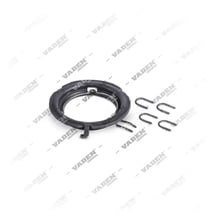
A clutch release bearing is the component that engages the clutch cover's diaphragm spring the moment the driver presses the clutch pedal, lifting the pressure plate's clamping force so engine power can be fed into the transmission in a controlled way. Also called a throw-out bearing or release ring, it sits between the clutch fork and the diaphragm spring, managing the power flow between engine and gearbox so every gear change happens smoothly and without shock loading. On heavy commercial vehicles running high torque and frequent gear changes, this small part has an outsized effect on how reliable the whole clutch system feels.
What Does a Clutch Release Bearing Do?
- Power Transfer: Feeds engine torque into the transmission in a controlled, even manner every time the clutch is engaged.
- Friction Management: Contacts the pressure plate during gear changes to absorb and balance friction load, protecting the assembly.
- Smooth Shifting: Delivers a clean, judder-free gear change even under heavy load or frequent shifting.
- Component Protection: Reduces wear on the pressure plate, clutch disc and flywheel by keeping engagement forces balanced.
- Pedal Feel and Response: Passes pedal pressure through to the diaphragm spring, giving the driver precise control over clutch engagement and disengagement.
Clutch Release Bearing Specifications
| Specification | Description |
|---|
| Location | Inside the clutch system, at the contact point with the pressure plate's diaphragm spring |
| Main Function | Controlled transfer of engine power to the transmission and management of friction load |
| Application | Clutch systems in heavy-duty trucks, tractor units and buses |
| Build | High-durability, wear-resistant construction for continuous heavy-duty use |
| Compatible Systems | Mechanical and hydraulic clutch actuation systems |
| Related OE Brands | Used in clutch systems built for Mercedes-Benz, MAN, Scania, Volvo, DAF, Iveco, Renault, BMC and Ford |
Types and Related Clutch Components
- Constant-Contact Release Bearing: Stays in light contact with the pressure plate at all times, even with the pedal released.
- Non-Contact (Self-Adjusting) Release Bearing: Only touches the pressure plate when the pedal is pressed, which cuts down idle wear.
- Clutch Pressure Plate: The neighboring component the release bearing presses directly against to generate clamping force.
- Clutch Disc: The friction disc whose engagement and power transfer are directly governed by the release bearing.
- Diaphragm Spring: The spring mechanism the release bearing actuates, creating and releasing clamping pressure.
Clutch Release Bearing Maintenance
- Routine Inspection: Check the release bearing as soon as gear changes feel stiff or a noise appears at the pedal.
- Replace as a Clutch Kit: When replacing the release bearing, inspect the clutch disc and pressure plate at the same time.
- Correct Installation: Misalignment or installation errors cause premature wear and noise, so fitment should be left to a qualified technician.
- Choose Genuine Parts: For long service life and dependable performance, fit quality components such as VADEN ORIGINAL.
- Match the Duty Cycle: Select a release bearing rated for the high torque and heavy-duty conditions your truck actually runs in.
Common Clutch Release Bearing Problems and Fixes
- Stiff Gear Changes: Usually caused by a worn or failing release bearing; inspect it and replace as needed.
- Noise at the Clutch Pedal: A growling or chirping sound often points to bearing wear or lack of lubrication; replacement is recommended.
- Perceived Power Loss: Uneven friction engagement can prevent full power transfer to the transmission; have the clutch system checked.
- Clutch Slipping: Occurs when the release bearing no longer engages the pressure plate cleanly; early diagnosis prevents damage to other parts.
- Premature Wear: Low-quality parts or incorrect installation are the usual causes; genuine parts and professional fitting solve this.
Why Choose VADEN ORIGINAL Clutch Release Bearings?
- Long Service Life: Manufactured from durable, high-grade materials built for continuous heavy-duty use.
- High Performance: Balances friction load for smooth gear changes and efficient power transfer.
- OEM-Grade Fit: Wide range engineered to fit Mercedes-Benz, MAN, Scania, Volvo, DAF, Iveco, Renault, BMC and Ford applications.
- Lower Maintenance Costs: Reduced wear means fewer clutch-related repairs over the vehicle's life.
- Trusted Spare Part: Tested specifically for heavy-duty vehicle demands, delivering a dependable spare parts solution.
Frequently Asked Questions (FAQ)
What is a clutch release bearing and what does it do?
A clutch release bearing (throw-out bearing) presses against the pressure plate's diaphragm spring to control how engine power is transferred to the transmission, balancing friction load during every gear change.
What are the signs of a bad clutch release bearing?
Common symptoms include stiff or notchy gear changes, a growling or chirping noise at the pedal, a feeling of power loss, and the clutch slipping under load.
When should a clutch release bearing be replaced?
It should be inspected and replaced as soon as you notice unusual noise, stiffness in gear changes, or inconsistent power transfer, before the fault spreads to other clutch components.
Is a release bearing the same as a clutch disc?
No. The release bearing manages the clamping force against the pressure plate's diaphragm spring, while the clutch disc is the friction plate that actually transmits engine torque. They work together but are separate parts.
Why is the release bearing so important on heavy-duty trucks?
Heavy commercial vehicles run high torque and heavy loads, so the release bearing has to balance friction consistently to keep the clutch system durable and reliable over long duty cycles.
Which trucks are VADEN ORIGINAL clutch release bearings compatible with?
VADEN ORIGINAL clutch release bearings cover clutch systems used on Mercedes-Benz, MAN, Scania, Volvo, DAF, Iveco, Renault, BMC and Ford heavy-duty vehicles.
Conclusion
The clutch release bearing governs the power handoff between engine and transmission, making it one of the most consequential small parts in a truck's clutch system. On heavy-duty vehicles especially, its durability and precision keep the clutch working smoothly and keep drivers shifting with confidence. VADEN ORIGINAL delivers high-performance, long-lasting clutch release bearings engineered specifically for the demands of the heavy-duty sector. A well-matched release bearing and timely maintenance are what keep a truck's clutch system running reliably for the long haul.