What Is an Oil Sump?
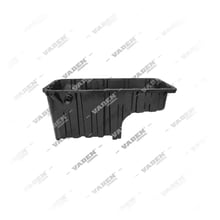
The oil sump is a metal or composite housing bolted to the bottom of the engine block that stores the engine oil. As the engine runs, oil circulates through the system and drains back down into the sump, where the oil pump draws it up again to feed the engine's moving parts. This constant cycle keeps the engine's lubrication, cooling, and protection needs covered without interruption. In diesel and petrol heavy-duty engines, the oil sump works as part of a complete system alongside the gasket, breather channel, cover, level/temperature sensor, and oil spray nozzle. On truck brands like Mercedes-Benz, MAN, Scania, Volvo, DAF, Iveco, Renault, and BMC, a properly functioning sump has a direct effect on engine longevity and performance.
What Does an Oil Sump Do?
- Stores and distributes engine oil: Oil collects in the sump and is pumped back out to lubricate the engine's moving parts.
- Shields the engine from outside damage: Protects the underside of the engine from dirt, water, road debris, and flying stones.
- Supports lubrication and cooling: Regulates oil circulation inside the engine, reducing friction and preventing overheating.
- Monitors oil level: Sensors track oil level and temperature, alerting the driver whenever action is needed.
- Maintains pressure balance: Breather channels equalize internal pressure, preventing damage caused by pressure buildup.
Oil Sump Technical Specifications
| Specification | Description |
|---|
| Location | Lowest point of the engine block |
| Material | Stamped sheet metal, cast aluminum, or composite construction |
| Main function | Engine oil reservoir with lubrication and cooling support |
| Mounting | Sealed to the engine block with a gasket for a leak-free fit |
| Supporting components | Pickup tube, breather channel, cover, sensor, oil spray nozzle |
| Application | Heavy-duty diesel and petrol engines (trucks, tractor units, buses) |
| Compatible brands | Mercedes-Benz, MAN, Scania, Volvo, DAF, Iveco, Renault, BMC, Ford |
Oil Sump Parts and What They Do
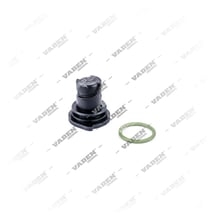
- Pickup tube: Regulates oil flow so it reaches every part of the engine, and supports the breather system in balancing internal pressure.
- Gasket: Prevents engine oil leaks and seals the joint between the engine block and the sump; its heat- and pressure-resistant construction protects overall engine performance.
- Breather: Balances internal engine pressure so oil circulates properly, preventing damage that excess pressure could otherwise cause.
- Cover: Protects the sump's internal components and allows easy access during oil changes, while its rugged design guards the engine's underside from impacts.
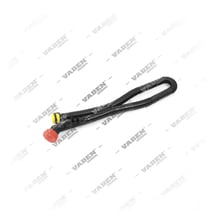
- Sensor: Measures oil level and temperature and reports the data to the engine control unit, warning the driver before low oil levels cause engine damage.
- Oil spray nozzle: Sprays engine oil at a set pressure and angle onto moving parts like pistons and the crankshaft, cutting down wear and extending engine life.
How to Maintain an Oil Sump
- Check oil level regularly: Monitor the engine oil level on a routine basis and top it off promptly whenever it runs low.
- Replace gaskets on schedule: Swap out worn or damaged gaskets to prevent oil leaks before they start.
- Test the sensors: Confirm the oil level and temperature sensors are reading and reporting correctly.
- Clean the sump inside and out: Remove built-up sludge and grime so the system runs at full efficiency.
- Inspect the breather channels: Service the breather channels regularly to keep them from clogging.
- Stick to the oil change schedule: Change the oil, and the gasket when needed, at the intervals the manufacturer recommends to extend the sump's service life.
Common Oil Sump Problems and Fixes
- Oil leaks: Damage to the gasket or sump surface causes leaks; inspect the gasket and sealing points regularly and replace them before they fail.
- Low oil level warnings: A faulty sensor or an actual oil shortage can trigger the warning; check the sensor first, then top off the oil if it's genuinely low.
- Breather problems: Clogged breather channels let pressure build up inside the sump; clean or replace the channels as needed.
- Physical damage: Impacts, potholes, or road debris can crack the sump and break its seal; a damaged oil sump should be replaced without delay.
- Overheating and increased friction: Insufficient lubrication raises engine temperature; check the oil spray nozzle and pickup tube connections to restore normal oil flow.
Why Choose VADEN ORIGINAL Oil Sumps?
- Durable materials: Manufactured to withstand high heat and pressure for long-lasting, reliable use.
- OEM-standard fit: Engineered to original equipment quality for heavy-duty brands including Mercedes-Benz, MAN, Scania, Volvo, DAF, Iveco, Renault, and BMC.
- Precision performance: Sensor, nozzle, gasket, and breather components work together seamlessly for uninterrupted lubrication.
- Leak resistance: Engineered against wear and leaks to lower long-term maintenance costs.
- Easy installation and upkeep: Full compatibility with commercial vehicles means fast fitting and straightforward maintenance.
- Wide product range: Oil sumps and related spare parts covering a broad range of heavy-duty engine types for every application.
Frequently Asked Questions (FAQ)
What is an oil sump and what does it do in the engine?
The oil sump, or oil pan, is the housing bolted to the bottom of the engine block that stores the engine oil. It collects the oil, sends it back out to lubricate moving parts, and protects the underside of the engine from outside damage.
What are the signs of a failing oil sump?
Common warning signs include visible oil leaks, a low oil level warning on the dashboard, rising engine temperature, and oil spots or puddles under the vehicle.
When should the oil sump gasket be replaced?
Replace it as soon as you notice hardening, cracking, or leaking, or during scheduled engine maintenance; putting it off risks oil loss and engine damage.
Which heavy-duty vehicles use this type of oil sump?
It's used in diesel and petrol engines across commercial trucks, tractor units, and buses, including Mercedes-Benz, MAN, Scania, Volvo, DAF, Iveco, Renault, and BMC.
What does the oil sump sensor do?
The sensor measures the engine oil's level and temperature and sends that data to the engine control unit, warning the driver before a low oil level can cause engine damage.
Why choose a VADEN ORIGINAL oil sump?
VADEN ORIGINAL oil sumps are built to OEM standards from materials that hold up under high heat and pressure, seal reliably with a matched gasket, and fit heavy-duty truck brands precisely for long-lasting, dependable engine protection.
Conclusion
The oil sump is a critical lubrication-system component that keeps an engine running smoothly and lasting longer. Working together with the pickup tube, gasket, breather, cover, sensor, and oil spray nozzle, it needs regular maintenance; neglecting it can lead to oil leaks, low oil levels, and overheating. VADEN ORIGINAL protects your engine with OEM-standard, durable oil sump spare parts built for heavy-duty brands such as Mercedes-Benz, MAN, Scania, Volvo, DAF, Iveco, Renault, and BMC, helping lower maintenance costs and extend your vehicle's service life.
Related products — Engine: Engine (view all)
Related technical guide: Truck Oil Pan Group · Download PDF