What Is an Oil Pump and Why Does It Matter on Heavy-Duty Vehicles?
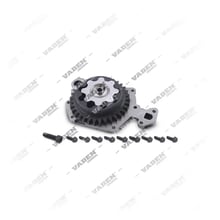
An oil pump is a mechanical, gear- or rotor-driven pump that draws oil from the sump and delivers it under pressure to the engine's critical wear points -- cylinders, crankshaft, camshaft and main/rod bearings. It runs continuously whenever the engine is running, maintaining a steady oil film between metal surfaces so parts glide instead of grind. On heavy commercial vehicles, engines spend long hours at high load and high RPM, which makes uninterrupted, adequate oil pressure absolutely essential to engine longevity. When an oil pump underperforms, components run dry and suffer damage that is often irreversible and expensive to repair.
What Does an Oil Pump Do?
- Delivers Pressurized Lubrication: Draws engine oil and pushes it under pressure to the crankshaft, camshaft and cylinders, maintaining a continuous protective oil film.
- Reduces Friction and Wear: Keeps moving metal parts from making direct contact with each other, preventing premature wear.
- Helps Cool the Engine: Circulating oil carries heat away from areas close to the combustion chamber, helping prevent overheating.
- Maintains Stable Oil Pressure: Balances the pressure the lubrication system needs across the full range of engine RPM.
- Protects Internal Components: Helps bearings, pistons and piston rings hold up over the long haul.
Oil Pump Technical Overview
| Spec | Details |
|---|
| Material | Wear- and heat-resistant metal housing with hardened gear or rotor elements |
| Operating Principle | Driven off the crankshaft or camshaft; draws oil in and pressurizes it for circulation |
| Compatibility / Vehicle Type | Trucks, tractor units, buses and trailers; heavy-duty commercial diesel engines |
| OE-Match Approach | Direct-fit design matched to original equipment dimensions, pressure and flow rate |
| Installation | Mounted on the engine block/sump area, typically with the oil strainer and pickup tube; professional installation recommended |
| Service Interval | Check alongside every engine oil and oil filter change |
Oil Pump Types and Related Components
- Gear-Type Oil Pump: Uses meshing gears to pressurize oil; the most common design in heavy-duty diesel engines.
- Rotor (Gerotor) Type Oil Pump: Uses inner and outer rotor lobes to move oil through the chambers; a compact design favored in many modern engines.
- Pickup Tube and Strainer: The inlet screen that filters out coarse debris from the sump before oil reaches the pump.
- Pressure Relief Valve: Releases excess oil once pressure exceeds the set limit, protecting the pump, gaskets and seals from damage.
- Pump Gasket and Seals: Prevent oil leaks where the pump mounts to the engine block.
Oil Pump Maintenance Tips
- Check Oil Level Regularly: Low oil level can cause the pump to suck in air and struggle to maintain pressure.
- Replace the Oil Filter on Schedule: A clogged or dirty filter restricts flow and drags down pump efficiency and pressure.
- Use the Correct Oil Viscosity: Running the manufacturer-recommended grade helps the pump maintain proper operating pressure.
- Inspect the Pickup Strainer: A clear strainer keeps oil flow to the pump uninterrupted.
- Schedule Routine Inspections: Regular checks at a qualified shop catch early signs of pump wear before they become costly failures.
Common Oil Pump Problems and Fixes
- Low Oil Pressure: Cause: worn gears/rotor, low oil level or a faulty relief valve. Fix: check the oil level first, then replace the pump if wear is confirmed.
- Increased Engine Noise: Cause: metal-on-metal contact from inadequate lubrication. Fix: have the oil pump and oil level inspected right away.
- Engine Overheating: Cause: reduced oil circulation weakening the cooling effect. Fix: inspect the pump and oil filter, and replace as needed.
- Excessive Wear and Internal Damage: Cause: prolonged operation on low oil pressure wearing down bearings and piston rings. Fix: replace the pump and have a qualified shop inspect internal engine components.
- Oil Leaks: Cause: a worn pump gasket or seal. Fix: replace the gasket, and replace the pump itself if necessary.
Why Choose a VADEN ORIGINAL Oil Pump?
- High-Performance Materials: Built from wear- and heat-resistant materials for long service life.
- OEM-Matched Design: Manufactured to original equipment dimensions and pressure specs for trouble-free fitment.
- Broad Vehicle Coverage: Options for Mercedes-Benz, MAN, Scania, Volvo, DAF, Iveco, Renault and BMC heavy-duty models.
- Better Fuel Efficiency: Consistent lubrication supports smoother engine operation and more balanced fuel consumption.
- Technical Support: Expert guidance available for correct part selection and installation.
Frequently Asked Questions (FAQ)
What does an oil pump do in a diesel engine?
The oil pump draws engine oil and forces it under pressure to critical components like the crankshaft, camshaft and cylinders, reducing friction and keeping the engine properly lubricated.
What are the signs of a failing oil pump?
Common warning signs include a low oil pressure light on the dash, increased engine noise (ticking or knocking), overheating, and visible oil leaks.
How often should an oil pump be replaced?
There's no fixed mileage interval -- the pump should be checked at every oil and oil filter change, and replaced if wear, weak pressure or noise is detected.
Can a bad oil pump damage the engine?
Yes. If the oil pump fails to maintain adequate pressure, engine components run without sufficient lubrication, leading to metal-on-metal wear and potentially severe, costly engine damage.
What's the difference between a gear-type and a rotor-type oil pump?
Gear-type pumps use meshing gears to pressurize oil, while rotor (gerotor) pumps use inner and outer rotor lobes. Both designs are used in heavy-duty diesel engines depending on the engine's build.
What affects oil pump prices?
Oil pump pricing varies by vehicle make, engine type and brand. For an OE-matched, long-lasting option, VADEN ORIGINAL is a reliable choice.
Conclusion
The engine oil pump is a critical component that keeps heavy-duty vehicle engines under constant, pressurized lubrication, reducing friction and extending engine life. Staying on top of oil and filter changes, using the correct oil viscosity, and scheduling regular inspections all help keep the pump running at full efficiency. For your trucks, tractor units, buses and trailers, choose durable, OE-matched VADEN ORIGINAL oil pumps built to keep your fleet on the road.
Related articles: Low Engine Oil Pressure: Symptoms, Causes, and the Role of the Oil Pump
Related products — Engine: Engine (view all)