What Is an Engine Crankcase?
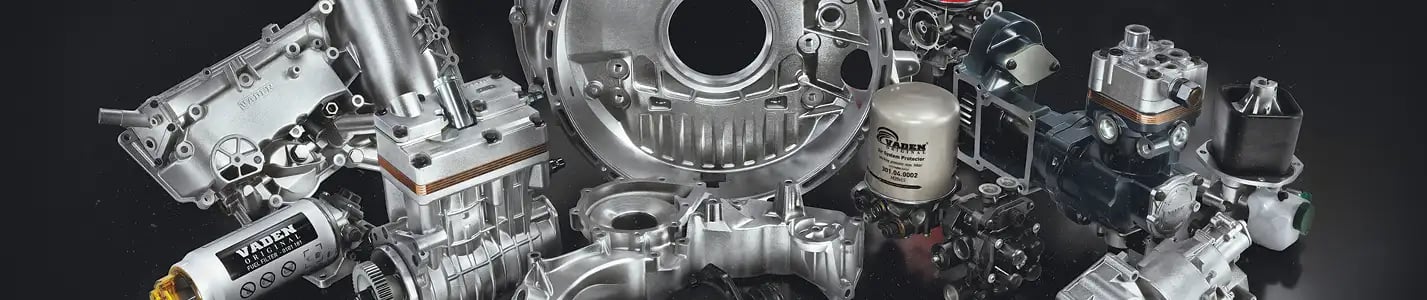
The crankcase is the main load-bearing casting of a heavy-duty engine, housing the cylinder block, pistons, crankshaft, and the oil and coolant passages that keep everything running cool and lubricated. Found in trucks, tractor units, buses, and heavy machinery, this cast housing (also called the engine block or cylinder block housing) keeps every moving and stationary component aligned and rigidly supported. Because commercial engines run under constant heavy load, the strength and precision of the crankcase has a direct impact on engine lifespan and overall performance.
What Does the Crankcase Do?
- Supporting Core Components: Cylinders, pistons, the crankshaft, and other internal parts all mount to the crankcase, so precise alignment here is essential for smooth engine operation.
- Managing Heat: The crankcase helps dissipate the heat generated by combustion, working alongside the cooling system to keep engine temperatures within a safe operating range.
- Withstanding Load and Stress: Heavy-duty engines run under continuous high pressure and heat; the crankcase is engineered to handle these demanding conditions without cracking or warping.
- Routing Oil and Coolant: Internal galleries carry engine oil and coolant to the exact points they're needed, protecting bearings and extending engine life.
- Damping Vibration and Noise: A rigid, well-cast crankcase reduces the vibration and noise generated during running, improving cab comfort and reducing fatigue on components.
Crankcase Technical Specifications
| Specification | Details |
|---|
| Material | Cast iron or aluminum alloy housing construction |
| Location | Lower/main load-bearing section of the engine, mounted to the cylinder block |
| Function | Crankshaft main bearing support, oil and coolant galleries, component mounting |
| Vehicle Type | Heavy-duty applications: trucks, tractor units, buses, trailers, and off-highway equipment engines |
| Compatible Brands | Engineered for heavy-duty engines from Mercedes-Benz, MAN, Scania, Volvo, DAF, Iveco, Renault, BMC, and Ford |
| Range Coverage | This category includes 33 different crankcase and related spare part variants |
Crankcase Types and Related Components
- Integral Cylinder Block Crankcase: A one-piece cast design where the cylinder bores are machined directly into the crankcase itself.
- Wet/Dry Liner Crankcase: Uses separate, replaceable cylinder liners, making it easier to refresh worn cylinder surfaces without replacing the whole casting.
- Main Bearing Cap Area: The precision-machined section where the crankshaft is secured to the crankcase, requiring tight tolerances for correct bearing clearance.
- Oil and Coolant Galleries: The internal passage network that circulates engine oil and coolant to regulate temperature throughout the block.
- Gaskets and Sealing Components: The gasket and seal set used at every joint between the crankcase and adjoining engine parts, preventing oil and coolant leaks.
Crankcase Maintenance
- Regular Cleaning: Inspect and keep oil and coolant galleries clean; sediment buildup inside the passages reduces heat transfer efficiency over time.
- Routine Inspection: Check for early signs of cracking or deformation during scheduled service visits before they turn into major repairs.
- Oil Level Monitoring: Keeping engine oil at the correct level and condition protects the bearings and internal galleries housed in the crankcase.
- Using Quality Replacement Parts: When components are damaged, replace them with trusted parts such as VADEN ORIGINAL to maintain fit and long-term reliability.
Common Crankcase Problems and Fixes
- Oil Leaks: Cracks in the oil galleries can cause leaks that starve the engine of lubrication and lead to serious damage. Fix: locate the leak source and replace the damaged crankcase or gasket.
- Overheating: Blocked or damaged coolant passages inside the crankcase can cause the engine to run hot. Fix: flush and clean the cooling system and galleries, replacing the crankcase if damage is found.
- Excess Noise and Vibration: Cracks or misalignment in the crankcase can make the engine run rough and noisy. Fix: have the crankcase and bearing alignment checked by a qualified workshop.
- Changes in Exhaust Smoke: Cylinder damage can let unburned fuel reach the exhaust, changing smoke color or density. Fix: inspect cylinder and crankcase integrity and repair or replace as needed.
Why Choose VADEN ORIGINAL Crankcases?
- Durable Materials: Manufactured to withstand the high pressure and heat of heavy-duty engines, delivering a long-lasting crankcase structure.
- OEM-Matching Standards: VADEN ORIGINAL crankcases are produced to original equipment dimensions and quality standards for a proper fit.
- Broad Range: 33 different spare part options covering Mercedes-Benz, MAN, Scania, Volvo, DAF, Iveco, Renault, BMC, and Ford applications.
- Verified Quality: Strict quality control during production guarantees crankcase reliability and installation precision.
- Technical Support: Professional guidance is available for part selection and installation, helping ensure a correct and safe fit.
Frequently Asked Questions (FAQ)
What is an engine crankcase?
The crankcase is the main structural housing of the engine, holding the cylinder block, pistons, and crankshaft while forming the core load-bearing frame of the entire engine assembly.
What are the signs of a failing crankcase?
Common warning signs include oil leaks, engine overheating, unusual vibration or noise, changes in exhaust smoke, and a noticeable drop in engine performance.
When does a crankcase need to be replaced?
If the crankcase has cracks, deformation, or wear beyond repair, replacement is necessary to prevent oil and coolant leaks and protect the engine from further damage.
How do you maintain an engine crankcase?
Keep the oil and coolant galleries clean, check regularly for cracks, monitor oil level and condition, and replace damaged components with OEM-quality parts.
Which vehicles are VADEN ORIGINAL crankcases compatible with?
VADEN ORIGINAL crankcases are available in 33 variants covering heavy-duty engines from Mercedes-Benz, MAN, Scania, Volvo, DAF, Iveco, Renault, BMC, and Ford.
Is the crankcase the same as the cylinder block?
The crankcase is the broader housing that contains or connects to the cylinder block; in some engine designs the cylinder block is cast as one piece with the crankcase, while in others it's a separate component.
Conclusion
The crankcase is a critical structural part with a direct impact on engine performance and overall vehicle durability. Regular maintenance, early fault detection, and choosing a quality replacement part all help extend the crankcase's service life and reliability. VADEN ORIGINAL crankcases deliver OEM-standard, durable solutions built for heavy-duty vehicles. Choose VADEN ORIGINAL for your engine spare parts needs and keep your fleet running efficiently and reliably.
Related products — Engine: Engine (view all)