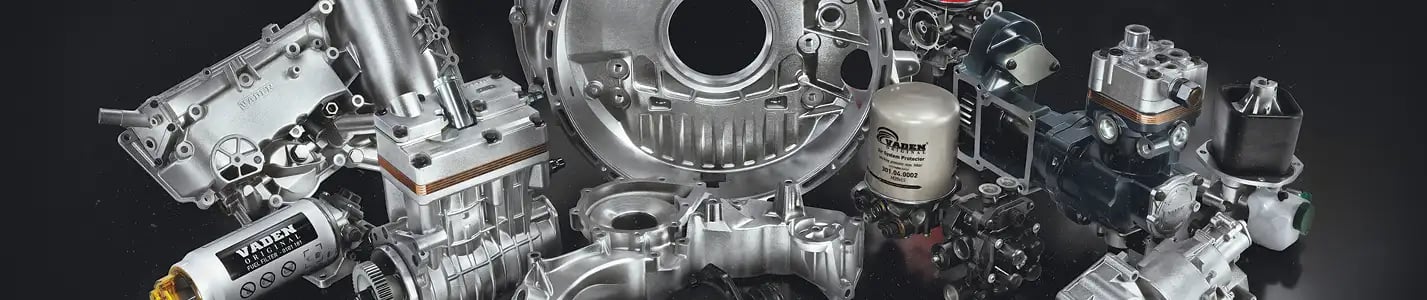
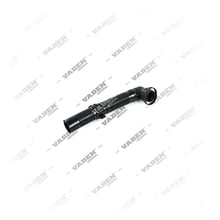
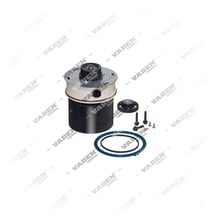
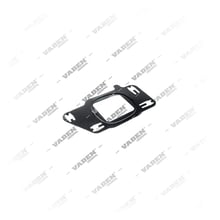
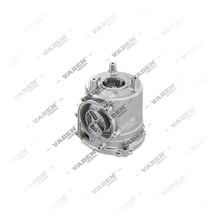
What Is an Oil Separator Filter? Why It Matters for Heavy-Duty Vehicles
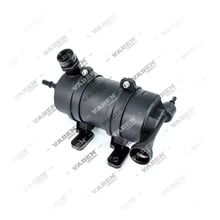
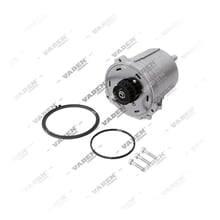
An oil separator filter is a crankcase ventilation component that pulls oil mist out of blow-by gas and condenses it back into liquid oil so it can return to the engine's lubrication system. As the engine runs, combustion gases that leak past the piston rings into the crankcase carry fine oil particles with them; the oil separator filter splits this mixture apart, sending clean air toward the turbo or intake system while routing the recovered oil back into circulation. Heavy-duty trucks, tractor units, and buses generate higher blow-by volumes due to long duty cycles, high engine speeds, and sustained heavy loads, which makes this filter essential to keeping the engine clean and running efficiently. When it fails, oil sludge can build up inside the engine, oil and fuel consumption can rise, and wear on internal components accelerates.
What Does an Oil Separator Filter Do?
- Separates Oil from Air: Pulls oil mist out of crankcase gas so the engine breathes cleaner air.
- Recovers Oil for Reuse: Condenses separated oil vapor back into liquid form and returns it to the lubrication circuit, reducing oil loss.
- Improves Air Circulation: Regulates airflow through the crankcase ventilation circuit to support engine performance.
- Supports Emissions Control: Prevents oil vapor from escaping into the atmosphere for cleaner, more compliant engine operation.
- Reduces Carbon Buildup: Limits dirty air recirculation inside the engine, cutting down on carbon and sludge deposits.
Oil Separator Filter Technical Overview
| Specification | Description |
|---|
| Function | Separates oil mist from crankcase ventilation (blow-by) gas and returns the oil to the engine |
| Material | Oil- and heat-resistant filter media and housing (sealed or gasketed design) |
| Compatibility / Vehicle Type | Trucks, tractor units, buses, and trailer tractors; heavy-duty diesel engines |
| OE Equivalent Approach | Direct-fit design matching original equipment dimensions and filtration standards |
| Mounting Location | On the crankcase ventilation line, mounted to the engine block or cylinder head cover |
| Service Interval | Typically every 80,000-100,000 km, per manufacturer guidelines |
Types of Oil Separator Filters and Sub-Components
- Labyrinth-Type Separator: A mechanical design that routes gas through narrow passages so oil droplets condense on the surfaces.
- Centrifugal Oil Separator: Uses rotational force to spin oil particles out of the airflow; found on some heavy-duty engines.
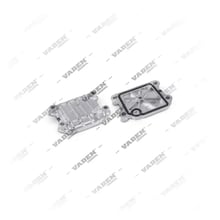
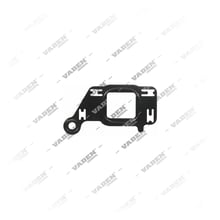
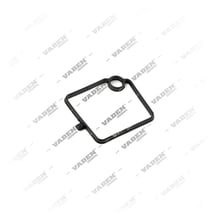
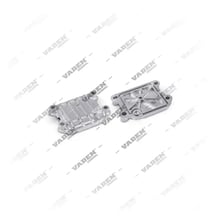
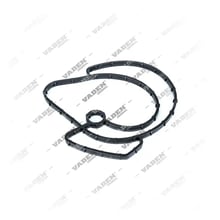
- Filter Element and Gasket: The porous media that performs the separation, along with the gasket that seals it against the housing.
- Oil Return Valve: The sub-component that controls the flow of separated oil back into the engine's oil pan.
Oil Separator Filter Maintenance Tips
- Inspect Regularly: Check the crankcase ventilation line and filter at every scheduled service.
- Follow the Manufacturer's Interval: Plan replacement based on the mileage recommended by the vehicle and engine manufacturer.
- Check Seals and Connections: Examine gaskets and hose connections for leaks at every maintenance visit.
- Choose an OE-Quality Part: Fit a part built to OE standards, such as VADEN ORIGINAL, for correct filtration and fitment.
- Have It Installed by a Professional: Leave installation to a qualified technician to guarantee a properly sealed crankcase ventilation circuit.
Common Oil Separator Filter Problems and Fixes
- Excessive Oil Consumption: Cause: The filter can no longer separate oil effectively, so oil vapor escapes the system. Fix: Replace the filter and inspect the crankcase ventilation line.
- Heavy Exhaust Smoke: Cause: Unseparated oil vapor reaches the combustion chamber. Fix: Replace the filter and the oil return valve.
- Oil Sludge Buildup Inside the Engine: Cause: A clogged or failed filter blocks the oil's return path. Fix: Replace the filter and its gasket if fitted.
- Rising Crankcase Pressure: Cause: A blocked filter causes pressure to build up in the ventilation line. Fix: Replace the filter and clear the line.
- Loss of Engine Performance: Cause: Dirty air recirculation and oil loss reduce engine efficiency. Fix: Replace the filter and check the oil level.
Why Choose VADEN ORIGINAL Oil Separator Filters?
- Advanced Filtration Technology: Separates oil from air efficiently to protect the engine at every stage.
- Built to OE Standards: Manufactured to original equipment dimensions and quality standards for a seamless fit.
- Durable Construction: Heat- and oil-resistant housing and seals deliver long service life.
- Wide Vehicle Coverage: Options available for Mercedes-Benz, MAN, Scania, Volvo, DAF, Iveco, Renault, BMC, and Ford heavy-duty models.
- Technical Support: Expert guidance available for correct part selection and installation.
Frequently Asked Questions (FAQ)
What does an oil separator filter do?
An oil separator filter removes oil mist from crankcase ventilation (blow-by) gas and returns that oil to the engine, keeping the engine cleaner, more efficient, and reducing oil loss.
How often should an oil separator filter be replaced?
Most manufacturers recommend replacement every 80,000-100,000 km, though the exact interval depends on the vehicle's usage and the manufacturer's service schedule.
What happens when an oil separator filter fails?
A failed filter can lead to excessive oil sludge inside the engine, heavy exhaust smoke, higher oil and fuel consumption, and a noticeable drop in engine performance.
Is an oil separator filter the same as an oil filter?
No. An engine oil filter cleans the lubricating oil, while an oil separator filter removes oil mist from the crankcase ventilation circuit. They serve different functions and cannot substitute for each other.
What are the signs of a clogged oil separator filter?
Rising crankcase pressure, blue exhaust smoke, an unexpected drop in oil level, and reduced engine performance are common signs of a clogged oil separator filter.
How much does an oil separator filter cost?
Pricing varies by vehicle make and model. Check current VADEN ORIGINAL oil separator filter listings for pricing and compatible applications.
Conclusion
The oil separator filter is a critical spare part that keeps heavy-duty engines running clean, efficient, and durable. Without proper maintenance, oil sludge can build up inside the engine, oil and fuel consumption can rise, and engine performance can suffer. Choose VADEN ORIGINAL oil separator filters for dependable filtration and OE-grade fitment that protects your engine and delivers maximum performance.
Related technical guide: Oil Separator · Download PDF
Related technical guide: Oil Separator: Faults, Replacement & Maintenance Guide